
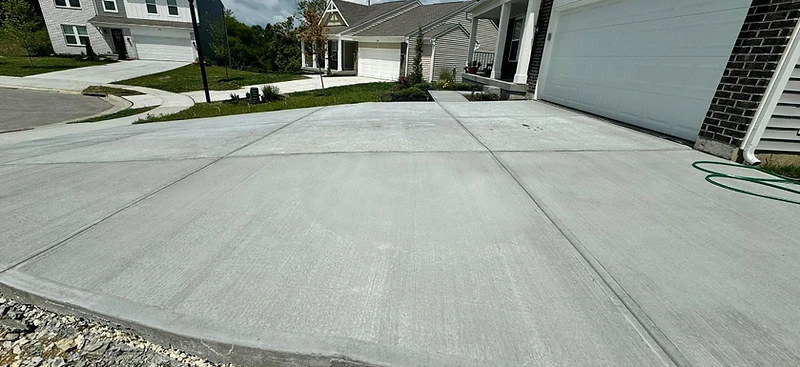
Resurfacing sounds great: new surface, fraction of the cost. Sometimes it's the right call. Often it's a patch on a problem that lives underneath.
When resurfacing can work
Resurfacing makes sense when the slab and — more importantly — the base under it are still sound: surface spalling, scaling, or cosmetic wear on a driveway that is still flat, still drains right, and isn't cracking through.
When it's throwing money away
If your driveway is heaving at the joints, cracked through the slab, or settling in sections, the problem is under the concrete. A new surface bonded to a moving slab moves with it — and fails with it, usually fast. You'll have paid for a resurface and still need the replacement.
The honest test
- Cracks you can catch a fingernail in, running through the slab? The slab is moving.
- Joints offset in height? The base is moving.
- Sections pooling water that didn't used to? Settling — the base again.
- Surface flaking but slab flat and quiet? Resurfacing is worth discussing.
What replacement actually fixes
Replacement isn't just new concrete — it's the only chance to fix the reason the old driveway failed. Demo, excavate to solid ground, build a compacted stone base with drainage, and pour over ground that finally holds still.
Our promise on this call
We'll tell you the honest answer on the walk-through, even when it's the cheaper one. A resurface recommendation costs us a bigger job; a wrong replacement recommendation costs you thousands. We'd rather keep the neighbor referral.