
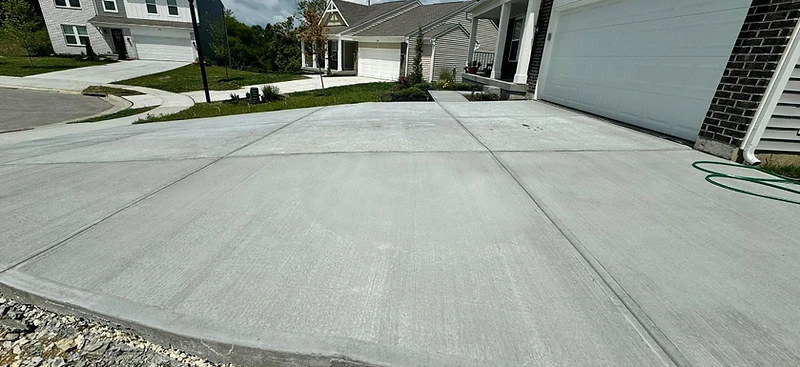
You have three bids for the same project and they're thousands apart. They are almost never bidding the same job — and the differences are hiding in what's not written. Here's how to read them.
Find the ground, first
Look for excavation depth, base material and depth, and compaction method. If a bid states all three, you're reading a contractor who plans to do them. If a bid says "includes base prep" or hides everything in a square-foot price, you've likely found where the savings live — in work you can't see on pour day and will meet in winter three.
Find the concrete spec
Thickness, reinforcement type, and joint plan should be stated, not implied. "4 inches" is a spec; "standard driveway" is a shrug.
Find the demo terms
If old concrete is coming out: does it say hauled off site? Buried demo is a void under your new pour. Make the destination explicit.
Find the money rules
The price should be fixed, with changes only by written change order you approve first. Payment terms in writing. We take cash and check only, stated up front — however a contractor takes payment, the terms belong on paper before ground breaks.
Find the site terms
Who is on your job daily? What does the yard look like at the end? A bid silent on cleanup has answered the question.
The five-line test
Excavation. Base. Spec. Money rules. Site terms. Score each bid on whether those five are in writing. The cheapest bid usually fails the test on the first two lines — and now you know exactly what the low number bought.